What «Official» Actually Costs You
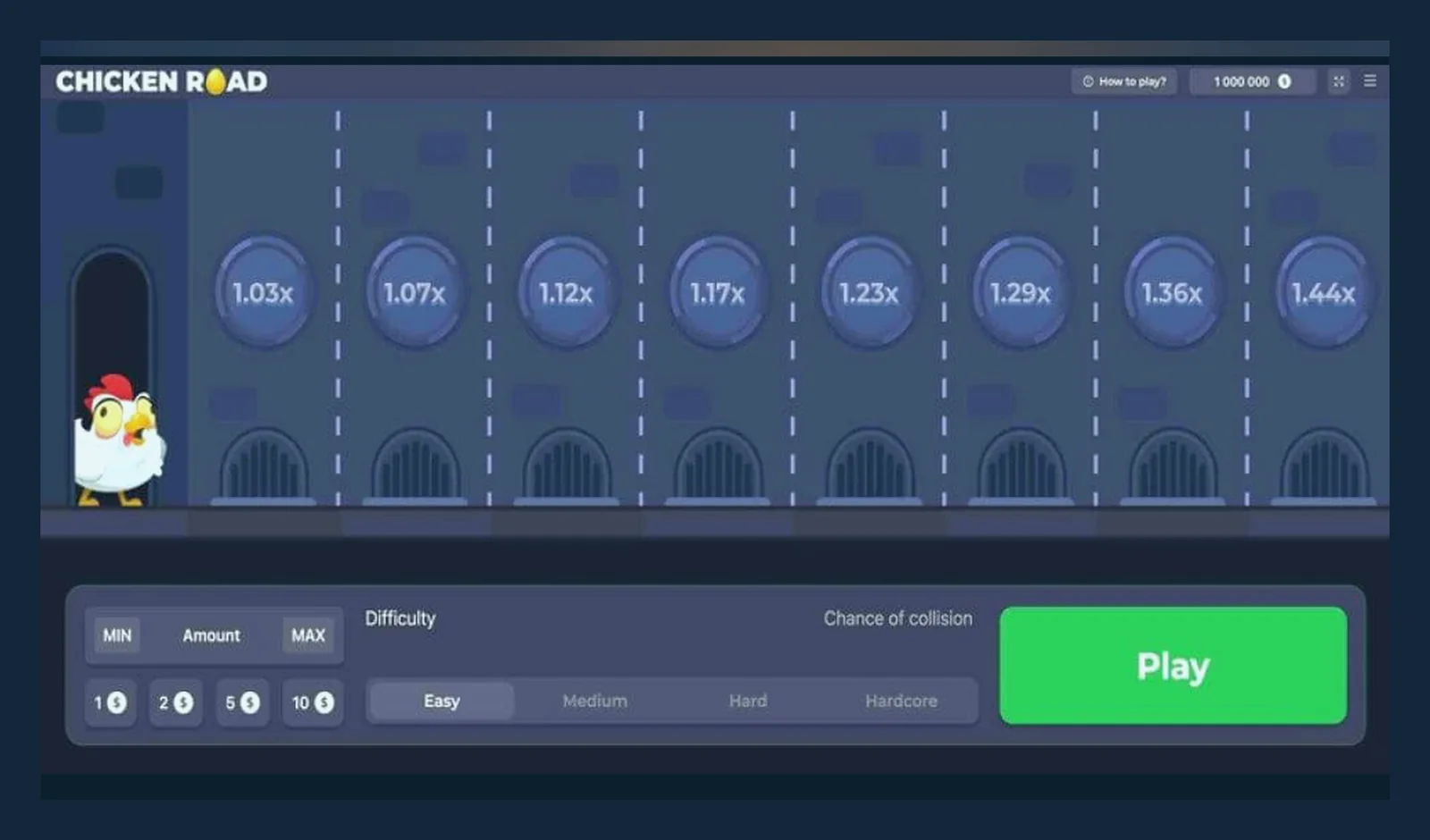
An RTP of 96.2% may look appealing, but it means 3.8% of your stake feeds the house edge every time you play, with additional losses hidden in wagering conditions, identity verification hold-ups, and transaction charges. Playing official Chicken Road 2 doesn't guarantee you'll avoid losses — it confirms the mathematics have been independently tested, the operator possesses a UK Gambling Commission remote gambling licence, and your money is kept in separate client accounts. The gap between an official game and a clone isn't simply about legality; it's about whether you're playing against a verified RNG or a tampered algorithm designed to drain your balance.
This page walks you through what «official» actually covers, how to verify it in under two minutes using the UKGC public register, and where your bankroll leaks when you chase a licensed game on an unlicensed site. No guarantees of profit — just transparency about what you're buying into.
Three Layers of «Official»
«Official Chicken Road 2» isn't one thing; it's three checks stacked on top of each other. The game itself comes from a provider who built the software and holds the intellectual property. That build gets certified by a test lab (usually eCOGRA, iTech Labs, or GLI), which audits the RNG, RTP, and payout logic. Then a casino operator — someone who holds a UKGC remote licence — adds the game to their lobby and serves it to British players.
The provider doesn't run a consumer-facing site. You won't find a single «official Chicken Road 2 casino» because the game is distributed through multiple licensed operators, each with their own welcome offers, payment methods, and withdrawal speeds. The official part is the game build, not the domain you play it on.
- Provider: owns the code, designs the game, sets the base RTP
- Test lab: certifies that the RTP claim is accurate and the RNG is fair
- Operator: holds the UKGC licence, takes your deposit, processes your withdrawal, and answers to the regulator
A clone skips all three. It copies the visual design, rewrites the backend, and runs on an unlicensed site. The RTP might be 85% instead of 96.2%, or the RNG might weight losses after you deposit. There's no audit trail and no complaint path.
Licence Verification: A Two-Minute Drill
The UKGC public register is the only source of truth. Every licensed operator must display their licence number in the footer of their site — usually a string starting with «39» or «42». Here's how to match it in under two minutes:
- Scroll to the footer of the casino site and copy the licence number (e.g., 39104).
- Go to the UKGC public register at gamblingcommission.gov.uk and paste the number into the search box.
- Check that the operator name in the register matches the brand you're on. The licence holder might be a corporate entity (e.g., «XYZ Limited») rather than the consumer-facing name.
- Look at the licence status: it must say «Active». If it says «Suspended», «Revoked», or «Surrendered», stop.
- Check the licence type: it should include «Remote Casino» or «Remote Betting and Gaming». A lottery-only licence won't cover Chicken Road 2.
- Confirm the effective date. A brand-new licence (active for less than six months) is higher-risk — the operator hasn't been through a full compliance cycle yet.
If the footer has no licence number, or the number doesn't appear in the register, or the site asks you to register before showing you the licence details, walk away. A legitimate operator shows the licence to everyone, logged in or not.
Why Your Account Costs Time and Documents
UKGC rules require age and identity verification before you can deposit. That usually means a soft check against credit-reference data (Experian, Equifax) the moment you register. If the automated check passes, you're in. If it flags you — mismatched address, thin credit file, recent fraud markers — the operator will ask for documents: passport or driving licence, plus a recent utility bill or bank statement.
Your first cash-out activates a further layer of verification. The operator is legally required to confirm that the payment method belongs to you personally (remember, credit cards have been prohibited for gambling transactions since April 2020, leaving debit cards, digital wallets, or Open Banking transfers as your options). Document review typically takes one to two days. Your funds remain inaccessible during this window.
Affordability checks start from £150 net deposits in a rolling 30-day window. At that threshold, the operator runs a credit-reference check to estimate your income and expenditure. If your gambling spend looks disproportionate, they'll ask for payslips or bank statements. This isn't the operator being nosy — it's a UKGC requirement introduced after the affordability white paper in 2024. Some sites set the trigger lower, around £100, to stay ahead of enforcement.
The Official App Question
Chicken Road 2 doesn't have a standalone app on the Google Play Store or Apple App Store. The game runs in a browser or as a web app through a licensed operator's platform. If you see a «Chicken Road 2 Official APK» on a third-party download site, it's either a repackaged clone or malware. The APK mirrors that serve unlicensed gambling apps are a reliable source of keyloggers, ad injectors, and credential harvesters.
Some UKGC-licensed operators do offer native apps for iOS and Android, and Chicken Road 2 might be playable through one of those. The app itself must come from the official store, not a sideload. Check the developer name in the store listing against the operator's corporate entity in the UKGC register.
Where Your Bankroll Actually Leaks
The house edge on Chicken Road 2 is 3.8%, which means the game pays out £96.20 for every £100 wagered over the long run. That's the base cost of playing, and it's baked into the maths. But the real leak comes from three other places:
- Wager requirements on bonuses: a 100% match bonus with 35× wagering means you need to bet £3,500 before you can withdraw a £100 bonus. The house edge eats into that £3,500.
- Withdrawal speed: e-wallets take a few hours to a day; Faster Payments to a bank can take two working days. The delay tempts you to reverse the withdrawal and play it back.
- Stake caps: £5.00 per spin for players 25 and over, £2.00 for players aged 18 to 24. The cap slows your burn rate, but it also stretches losing streaks over more time.
Payment fees are rare on UKGC sites — most operators cover them — but currency conversion can clip 2% to 3% if you deposit in EUR and the game runs in GBP. Stick to £ deposits and withdrawals to avoid that.
Red Flags of a Clone or Unlicensed Copy
Clone sites replicate the visual appearance but alter the underlying code. Identifying one demands careful observation: check whether the provider logo appears in the game window and matches the official branding, inspect the game info panel for certification marks or test-lab references (absent on clones), and look for a visible RTP figure — official builds display 96.2%, while clones either hide the number or show an inflated, fictitious percentage. Also note the loading behaviour: official games load via a licensed operator's authenticated platform, whereas clones often run from standalone domains with no operator branding visible.
- No UKGC licence number in the footer, or a licence number that doesn't match the UKGC register
- The site accepts credit cards (banned for gambling in the UK since 2020)
- No mention of GAMSTOP or BeGambleAware
- Instant withdrawals with no KYC or document request (impossible under UKGC rules)
- The RTP or max multiplier differs from the official spec (e.g., 5000× instead of 10000×)
- Deposit methods include cryptocurrency or anonymous prepaid cards
Some clones operate from Curaçao or Costa Rica and target British players through SEO and affiliate links. They might offer «no verification» or «no limits» as selling points. What they don't say is that your balance has no regulatory protection, and there's no complaint path if they refuse to pay out.
When Something Goes Wrong
If you believe the game malfunctioned, the operator stalled your withdrawal, or the RTP is lower than advertised, follow this path:
- Contact the operator's support team and describe the issue. Give them 48 hours to respond. Screenshot everything: the support chat, your bet history, and the disputed transaction.
- If the operator doesn't resolve it or you're unsatisfied with their answer, escalate to the operator's Alternative Dispute Resolution (ADR) service. The ADR provider's name and contact details must be on the site, usually in the footer or terms. Common ADR services in the UK include IBAS and eCOGRA Dispute Resolution.
- If the ADR rules against you or the operator ignores the ADR decision, file a complaint with the UKGC. Go to gamblingcommission.gov.uk, click «Make a Complaint», and submit evidence. The UKGC won't reimburse you directly, but if your complaint reveals a breach of licence conditions, the operator faces enforcement action.
- If you've lost control of your spending, register with GAMSTOP (gamstop.co.uk). One registration blocks every UKGC-licensed site for six months to five years. Contact BeGambleAware (begambleaware.org) or the National Gambling Helpline (0808 8020 133) for support.
The complaint process takes weeks, sometimes months. Document every step, and don't deposit more money while a dispute is open.
What Official Status Doesn't Guarantee
A UKGC licence and an audited RTP mean the game is fair and the operator is solvent, but they don't protect you from variance. Chicken Road 2 is a high-volatility game: long losing runs are statistically normal. The RNG doesn't «owe» you a win after a cold streak, and the multiplier distribution is heavily weighted toward the lower end.
Official status also doesn't mean the operator's bonus terms are generous or that withdrawal speeds are instant. A licensed site can still have a 50× wager requirement, a three-day pending period, and a £5,000 monthly withdrawal cap. Those terms are legal as long as they're disclosed in the terms and conditions.
Finally, the UKGC licence covers consumer protection and fair play, but it doesn't guarantee profit. The house edge ensures that, over time, the game pays out less than it takes in. If you're gambling with money you can't afford to lose, the licence won't save you.
FAQ
Is there one official Chicken Road 2 website?
No. The game is distributed by a provider and appears in the lobbies of multiple UKGC-licensed operators. Each operator is «official» if they hold a valid remote licence and serve the certified game build. Check the UKGC public register to verify the operator's licence.
How do I know the RTP is actually 96.2%?
The RTP is audited by an independent test lab (eCOGRA, iTech Labs, or GLI) and certified before the game goes live. The certificate number sometimes appears in the game's info panel. If the operator is UKGC-licensed, the regulator requires them to serve the certified build. You can't verify RTP from a single session — variance means short-term results will differ — but over millions of spins, the payout converges to 96.2%.
Why does my first withdrawal take 48 hours when e-wallets are instant?
The first withdrawal triggers a KYC check. The operator must verify your identity, address, and payment method (in your own name) before releasing funds. Once you're verified, later withdrawals are faster — a few hours for PayPal or Skrill, same day to two working days for Faster Payments to a bank.
Can I play Chicken Road 2 with a VPN to avoid the £5 stake cap?
No. UKGC-licensed operators use geolocation checks to confirm you're physically in the UK. A VPN that spoofs your location violates the operator's terms and may result in account closure and forfeited winnings. The stake caps (£5.00 for 25+, £2.00 for 18–24) are regulatory requirements, not operator policy.
What happens if I deposit £200 in a month?
If you deposit more than £150 net in a rolling 30-day window, the operator runs an affordability check using credit-reference data. They estimate your income and expenditure to confirm the spend is sustainable. If the check flags you, they'll ask for payslips, bank statements, or tax documents. If you don't provide them, your account may be restricted.
Does the UKGC licence protect me if the operator goes bust?
Partially. UKGC rules require operators to hold player funds in segregated accounts, separate from operating capital. If the operator enters administration, your balance should be protected. However, the process can take months, and there's no deposit insurance scheme like the FSCS that covers banks. Stick to established operators with long licence histories to reduce this risk.